When to Replace Fence Posts for Long-Lasting Security
Fence posts are the backbone of any fence, whether you have wood, chain link, vinyl, or another style. Over time, these posts can weaken or rot, putting your fence—and your property’s security—at risk. Knowing when to replace fence posts is key to avoiding bigger problems and extra costs down the line. Here’s what every Chatsworth homeowner should know.
How do I know if my fence posts need replacing?
The most common sign is a wobbly or leaning fence. If you grab a post and it moves, that’s a red flag. Wood posts often rot at the base, especially if they’re in constant contact with moist soil. Metal posts can rust out or become loose in their concrete footings. Watch for these signs:
- Posts leaning or shifting out of line
- Visible rot, cracks, or splintering in wood posts
- Rust, corrosion, or holes in metal posts
- Loose concrete or gaps around the base
- Pickets or panels that have pulled away from the post
If you notice any of these, it’s time to take a closer look. Sometimes repairs work, but often replacement is the best fix for long-term security.
What causes fence posts to fail?
Several things can wear down your fence posts over time. In North Georgia, moisture is the biggest culprit—rain, humidity, and even irrigation can all contribute, especially for wood posts. Termites and fungi are other threats to wood, while metal posts face rust from water exposure. Sometimes, posts were set incorrectly to begin with, or they’re simply old and have reached the end of their lifespan.
Other factors include:
- Soil shifting or erosion, especially after heavy storms
- Tree roots pushing against the posts
- Damage from lawn equipment, vehicles, or animals
Regularly checking your fence for early signs of these problems can save you from bigger repairs down the road.
Can I just repair a loose or damaged post?
Sometimes you can, but it depends on the extent of the damage. If a post is only slightly loose, you might be able to stabilize it by adding gravel or concrete at the base. For wood posts with minor rot near the ground, you can use a concrete spur or bracket to reinforce the post. However, if the post is severely rotted, cracked, or rusted through, replacement is the safest choice.
For more involved fixes or to ensure your fence remains secure, it’s wise to call a professional. At Protection Fencing LLC, we handle fence post replacement and can advise if repair or replacement is the better option for your situation.
How is a fence post replaced?
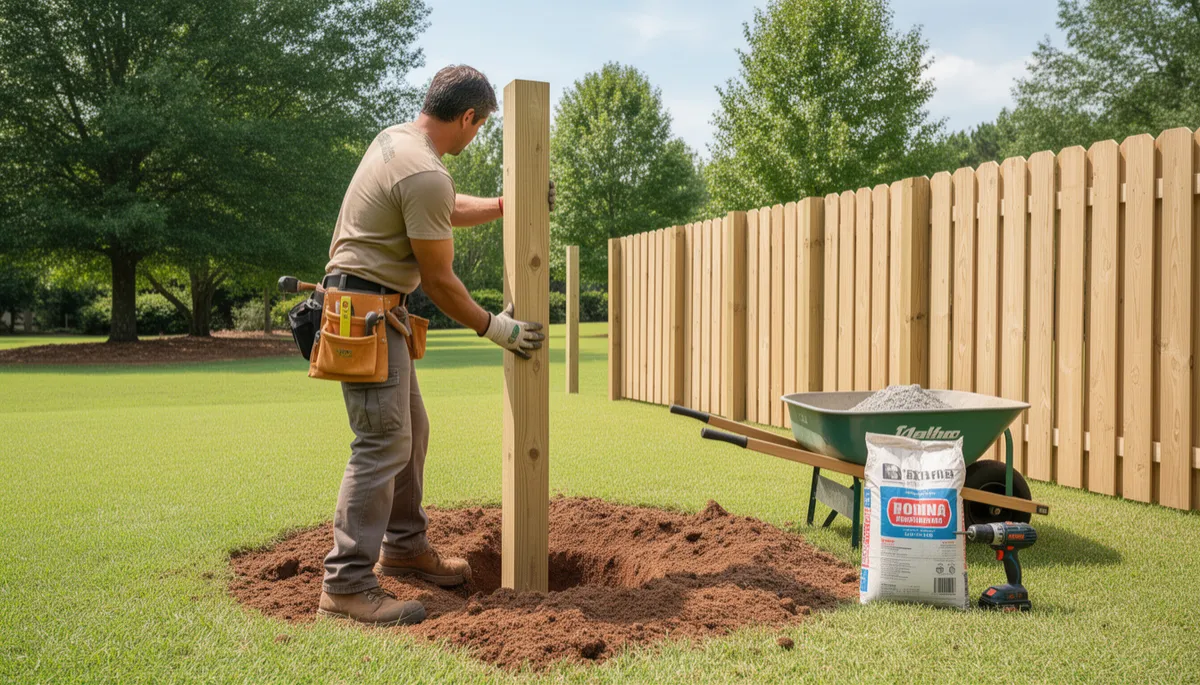
Replacing a fence post involves a few key steps to ensure the new post is secure and lasts. First, the old post is removed—usually by digging around the base and freeing it from the soil or concrete. If the post was set in concrete, the old footing is often removed as well. The new post is then placed in the hole and leveled carefully. For wood posts, using pressure-treated lumber helps resist rot. Metal posts should be galvanized to stand up to moisture.
The post is set with new concrete, making sure it’s plumb (perfectly upright) and aligned with the rest of the fence. It’s best not to attach panels or rails until the concrete has cured, usually after a day or so. For a full fence refresh, you might consider fence replacement if many posts or panels are failing.
What can I do to make my new posts last longer?
Proper installation is the most important factor. Posts should be set deep enough—usually at least a third of the post’s length, and below the local frost line if possible. Use quality materials suited to our climate: pressure-treated wood, galvanized or powder-coated metal, or durable vinyl. Setting posts in concrete and sloping the top of the concrete away from the post helps water run off.
- Seal or stain wood posts for extra moisture protection
- Keep soil and mulch from piling up around the post base
- Trim back plants and keep sprinklers from soaking posts
- Check regularly for signs of shifting or decay
Following these steps helps your fence stand strong for years to come.
Should I replace posts myself or hire a pro?
Replacing a post might seem straightforward, but it can get tricky, especially if the post is set in old concrete or the fence is on a slope. Digging out a broken post without disturbing the rest of the fence takes care and the right tools. Hiring a professional means the job gets done right the first time, saving you hassle and ensuring your fence’s security. If you’re in Chatsworth or nearby, Protection Fencing LLC offers fencing installation and post replacement by experienced crews familiar with local soil and weather conditions.
Frequently Asked Questions
How long should fence posts last?
With proper materials and installation, wood posts can last 10–20 years, and metal or vinyl posts even longer. Climate and maintenance make a big difference, so regular checks help prevent early failure.
What type of fence post is best for my yard?
That depends on your fence style, soil, and your goals for appearance and security. Pressure-treated wood works well for privacy fences, while galvanized steel is great for chain link or farm fencing. Our team can guide you to the best choice for your property.
Can I replace just one post or do I need to do the whole fence?
Usually, you can replace individual posts as needed. However, if many posts are failing or the fence is old, it might be more cost-effective to replace larger sections, or even the whole fence.
Does insurance cover fence post replacement?
Insurance may cover repairs if posts are damaged by a covered event, like a fallen tree or storm. Wear and tear from age or rot usually isn’t covered. Check your policy or ask your agent for details.
Keeping your fence secure starts with strong, properly installed posts. If you’ve noticed leaning or loose posts, or want advice on the best replacement options, contact Protection Fencing LLC. We serve homeowners throughout Chatsworth and the surrounding area with reliable service and honest advice.