
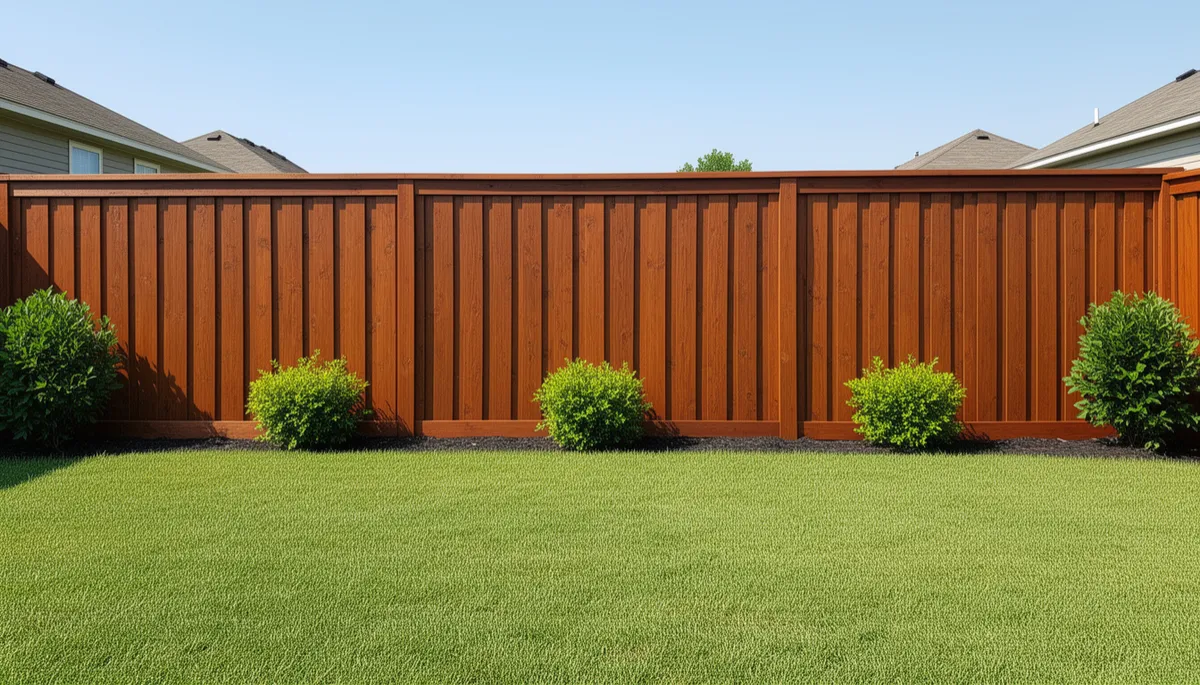
Step-by-Step Guide: How to Stain Your Wooden Fence Right
Staining your wooden fence is one of the best ways to protect it from the weather and keep it looking sharp. Whether you’re dealing with Georgia’s humid summers or the occasional winter chill, a good stain job can make your fence last longer and look better. Here’s a hands-on guide so you can tackle this project yourself, or know what to expect if you hire a pro.
Why Should I Stain My Wooden Fence?
Wood is naturally vulnerable to the elements—sun, rain, and even bugs. Over time, untreated wood can warp, crack, fade, or rot. Staining acts as a shield, helping your fence resist moisture, UV rays, and mildew. Plus, it brings out the natural beauty of the wood and can even improve your home’s curb appeal. If you’ve invested in wood fence installation, staining is an essential step to make that investment last.
What Do I Need Before I Start Staining?
Preparation is key for a professional-looking finish. Here’s what you’ll need:
- Exterior wood stain (oil-based or water-based, your choice for look and maintenance needs)
- Paintbrushes, stain pads, or a pump sprayer
- Drop cloths or plastic sheeting to protect grass and landscaping
- Painters tape for nearby surfaces
- Pressure washer or hose and scrub brush
- Wood cleaner or mild soap
- Sandpaper (medium to fine grit, if needed)
- Protective gear: gloves, mask, and old clothes
Plan for a dry spell—two to three days of good weather is ideal, so the stain can dry and cure properly.
How Do I Prep My Fence for Staining?
Good prep leads to a great finish. Start by clearing away grass, weeds, or debris at the base of the fence. If your fence has greenery growing on it, trim it back. Protect nearby plants with drop cloths.
Next, give your fence a thorough cleaning. For dirt and mildew, use a wood cleaner and a scrub brush, or a pressure washer on a gentle setting. Let the fence dry completely—at least 24 hours, or longer if the wood still feels damp.
Inspect for loose boards, popped nails, or damaged sections. Make repairs as needed. If the wood feels rough or has old, flaking stain, hit it with medium-grit sandpaper for a smooth surface. Wipe off any dust before starting to stain.
For more about fence repairs and maintenance, see our fence repair service page.
What’s the Best Way to Apply Stain?
There are a few ways to get stain onto your fence—brush, pad, or sprayer. A brush gives you the most control and works stain deep into the wood, but it takes time. Pads are quicker for large, flat surfaces. Sprayers are fast, but you’ll want to back-brush (go over with a brush after spraying) to work the stain into the grain and avoid drips.
- Stir the stain well before starting. Don’t shake—it can create bubbles.
- Test on a small area to see how the wood absorbs the color.
- Start at the top of each panel and work down to avoid drips and runs.
- Apply stain in the direction of the wood grain using smooth, even strokes.
- Watch for missed spots, drips, or puddles and smooth them out as you go.
- Let the first coat dry as directed—usually 24 hours—before deciding if you need a second coat.
Stain both sides of the fence if possible, especially if it’s a privacy or picket style that’s visible from both sides. For fences with gates, check our gate installation tips to make sure your hardware is protected as well.
How Do I Choose the Right Stain?
There are three main types of exterior wood stain: transparent, semi-transparent, and solid.
- Transparent: Shows off the wood grain, needs reapplying more often.
- Semi-transparent: Adds color but still shows some grain, balances protection and appearance.
- Solid: Looks more like paint, covers grain, lasts longest, and hides imperfections.
Oil-based stains generally penetrate deeper and provide longer-lasting protection, but water-based stains are easier to clean up and more environmentally friendly. Think about your fence’s exposure to sun and weather in Chatsworth, GA, and how much maintenance you’re willing to do down the road.
How Often Should I Restain My Fence?
Most wooden fences need restaining every 2–4 years, but it depends on the stain type, wood species, and local climate. Sun, rain, and humidity can take their toll faster. Check your fence yearly—if water no longer beads up on the surface, or the color is fading or peeling, it’s time for another coat. Regular upkeep can save you from more expensive repairs or premature replacement later on.
Frequently Asked Questions
Can I stain a brand new fence right away?
It’s best to wait until new wood has dried out and weathered a bit, usually 1–3 months, before staining. This allows the wood to absorb stain evenly and ensures a longer-lasting finish.
Should I use a sealer after staining?
Some stains include a sealer, while others do not. If your stain doesn’t, it’s a good idea to apply a clear wood sealer for extra protection, especially in areas with a lot of rain or sun.
What if my fence has old paint or stain on it?
If the old finish is peeling or flaking, you’ll need to sand it down or use a wood stripper for best results. Stain won’t stick well to peeling paint or stain. A clean, smooth surface is key.
Can I stain my fence in the shade?
Staining in the shade or on a cloudy day is actually ideal. Direct sun can cause the stain to dry too quickly, which might leave lap marks or uneven color.
If you’re thinking about staining your fence or need some professional help, Protection Fencing LLC is here for homeowners around Chatsworth, GA. Reach out to our team for advice, repairs, or a fresh fence that’s built to last.