Best Materials for a Durable Privacy Fence: A Homeowner’s Guide
Choosing the right material for a privacy fence is a big decision for any homeowner. The right fence will offer you privacy, security, and curb appeal, but it also needs to stand up to the local weather and the test of time. If you’re considering a new privacy fence in the Chatsworth, GA area, here’s a practical guide to the best materials available today.
What Makes a Privacy Fence Material Durable?
Durability in a privacy fence comes down to how well the material resists the elements, pests, and everyday wear and tear. In our region, this means choosing materials that can handle humidity, sun, and the occasional storm. A durable fence should resist rotting, warping, rust, and fading. It’s also important to consider how much maintenance the material will require over the years—some options need regular sealing or painting, while others are nearly maintenance-free.
Is Wood Still a Good Option for Privacy Fencing?
Wood remains a classic choice for privacy fences, and for good reason. It offers a natural look that fits in with most landscapes and can be customized in terms of height and style. Locally, pressure-treated pine and cedar are common options. Cedar stands out for its natural resistance to rot and insects, while pressure-treated pine is more affordable and widely available.
For a wood fence to last, it’s essential to keep up with regular maintenance like fence staining or sealing. Without these steps, even the best wood will eventually show its age. If you’re looking at wood fence installation, ask about the grade of lumber and installation methods—using galvanized fasteners and setting posts in concrete can make a big difference in how long your fence stands strong.
How Does Vinyl Compare to Other Privacy Fence Materials?
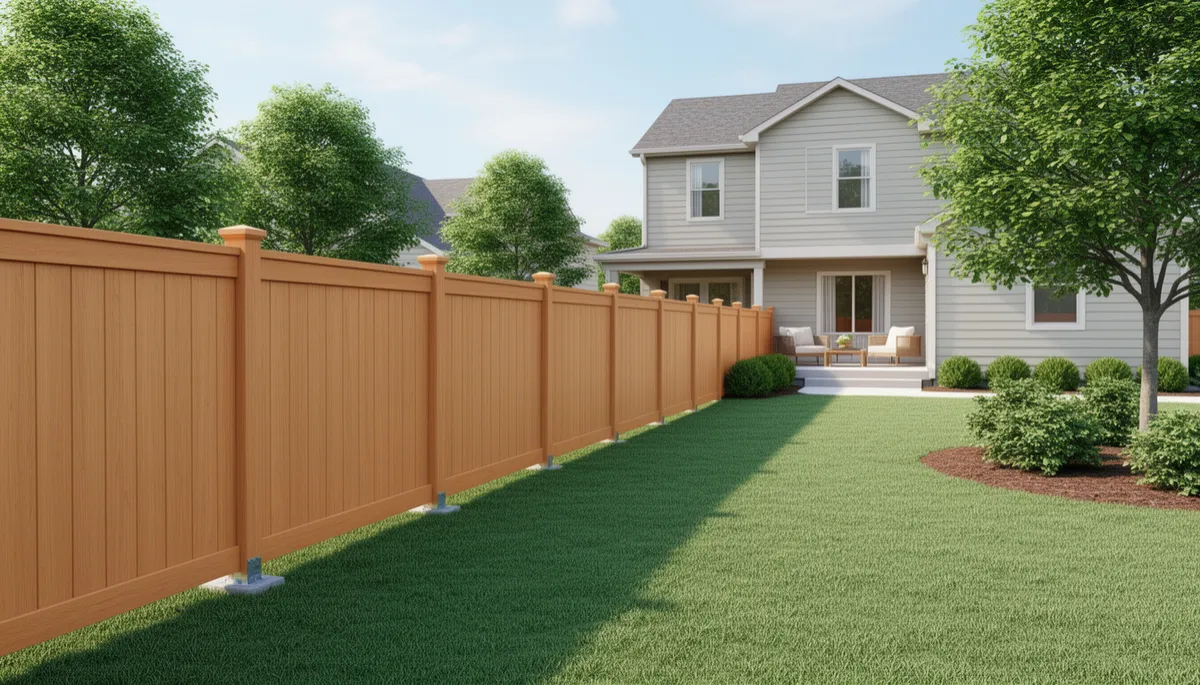
Vinyl fencing has become popular for privacy because it’s tough, resists the elements, and requires almost no upkeep. You won’t have to paint or stain it, and it won’t rot or attract insects. Modern vinyl fences can be made to mimic the look of wood, so you don’t have to sacrifice style for durability.
One thing to consider with vinyl is the quality of the material and installation. Thicker vinyl panels and proper installation are key to avoiding sagging or cracking over time. If you’re interested in this low-maintenance option, explore the benefits of vinyl fence installation.
Are Metal Privacy Fences a Good Choice?
Metal fences, such as aluminum and wrought iron, are known for their strength and long lifespan. While traditional wrought iron is less common for solid privacy fences, aluminum fencing has come a long way and can now be built with panels that provide full privacy. Aluminum stands up well to moisture and doesn’t rust in the way iron can, making it a smart choice in humid climates.
Maintenance for metal fences is minimal, especially with powder-coated finishes that protect against chipping and fading. For homeowners who want both security and a more modern look, aluminum fence installation is worth considering.
Can Composite Fencing Stand Up to the Elements?
Composite fencing combines wood fibers and plastic to create a material that looks like wood but offers the durability of synthetic products. These fences are resistant to rot, insects, and moisture, so they perform well in areas with varied weather. Composite fences tend to cost more up front but make up for it with lower maintenance and a longer life span compared to untreated wood.
One thing to keep in mind is that composite fences can expand and contract with temperature changes, which is normal but something your installer should account for during installation.
What About Maintenance? How Does It Affect Fence Longevity?
No matter which material you choose, regular maintenance is the key to a long-lasting privacy fence. For wood, this means applying stain or sealant every few years. Vinyl and aluminum only need occasional washing with a garden hose. Composite fencing requires the least attention, just an occasional rinse to keep it looking fresh.
Don’t forget about the posts—these are the backbone of your fence. Proper fence post setting in concrete goes a long way toward preventing leaning or sagging, especially after heavy weather common in Chatsworth.
Frequently Asked Questions
How tall should a privacy fence be to be effective?
Most privacy fences are between six and eight feet tall. The right height depends on your property, local codes, and your specific needs. Taller fences give more seclusion but may require a permit.
How long does a typical privacy fence last?
Lifespan depends on the material: wood can last 10-20 years with good maintenance, vinyl and aluminum 20-30 years or more, and composite falls somewhere in between.
Can I install a privacy fence myself or should I hire a pro?
Some homeowners tackle fence installation as a DIY project, but for the best results—especially with tricky terrain or to ensure longevity—professional fencing installation is usually the way to go.
Are there specific materials that hold up better in Chatsworth, GA weather?
Materials that resist moisture, insects, and sun—like vinyl, aluminum, and pressure-treated wood—tend to last longer in the Chatsworth area. Always ask about local experience when choosing materials.
Whether your priority is low maintenance, classic looks, or maximum longevity, there’s a privacy fence material that fits your needs. If you’re ready to get started or just want some practical advice, reach out to Protection Fencing LLC. We’re here to help homeowners in Chatsworth and the surrounding area find the right solution for their property.